The Next Episode
Euphoria: S1E6

HBO
Created by Sam Levinson
Directed by Pippa Bianco

This is a weekly rewatch of Euphoria, revisiting each episode through memory, emotion, and a filmmaker’s lens in the lead up to Season 3 on HBO, returning Sunday, April 12, 2026.
Episode 6 centers McKay, but the episode is not about football. It is about pressure, and what pressure does to a young man who was never taught how to feel.
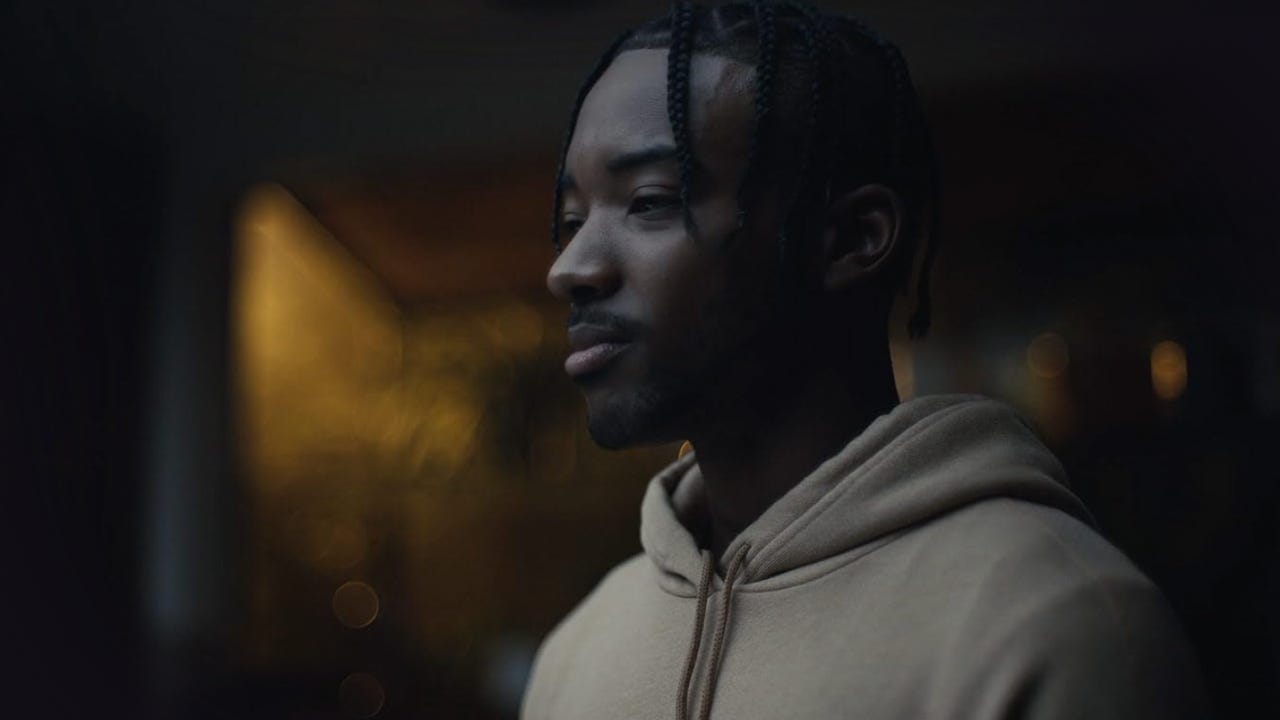
This is inheritance.
The opening with young McKay reciting Claude McKay’s “America” while training is not random. The poem speaks about loving a place that wounds you, and that contradiction mirrors McKay’s life inside a system that demands toughness while offering little protection.
Racism appears early. So does instruction.
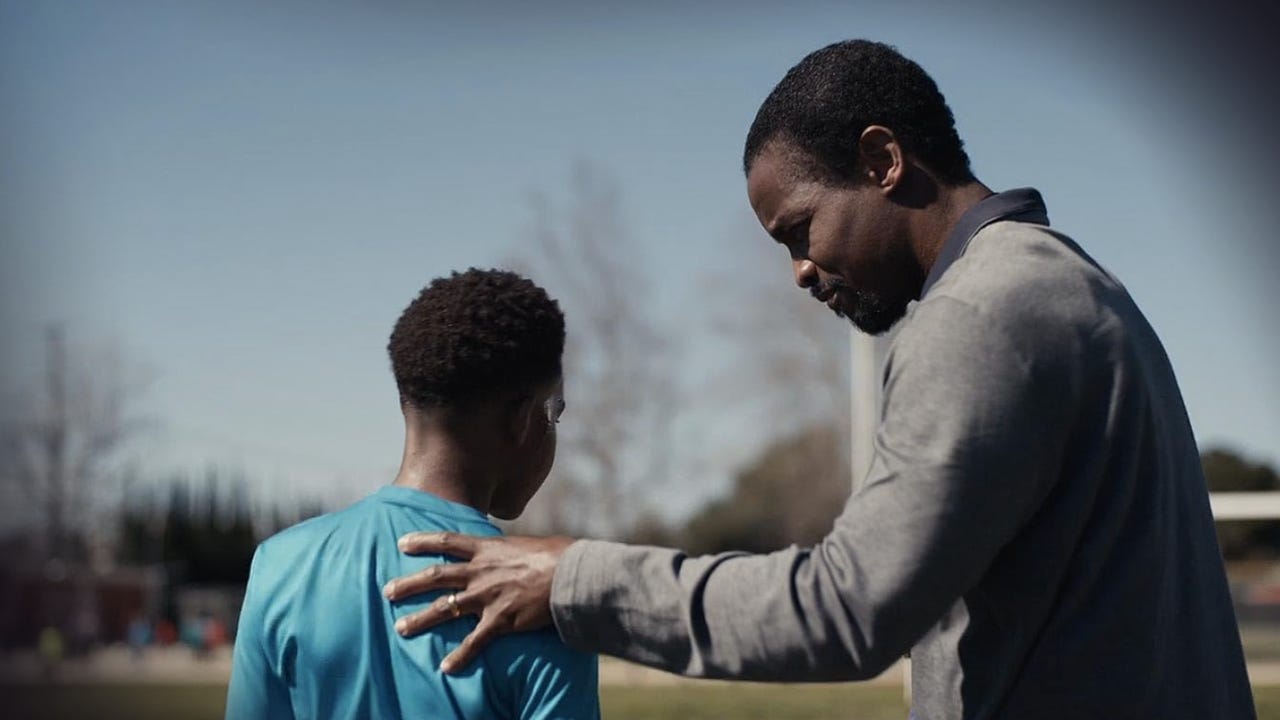
When McKay reacts to a racial slur, his father does not validate his pain. He teaches him the rule, when you get emotional, you lose.
Emotion becomes weakness. Weakness becomes unacceptable.
That lesson follows him to college, where he is no longer special. Surrounded by equal or better talent, football stops feeling like certainty and starts feeling like exposure.
If football is identity, what happens when football slips.
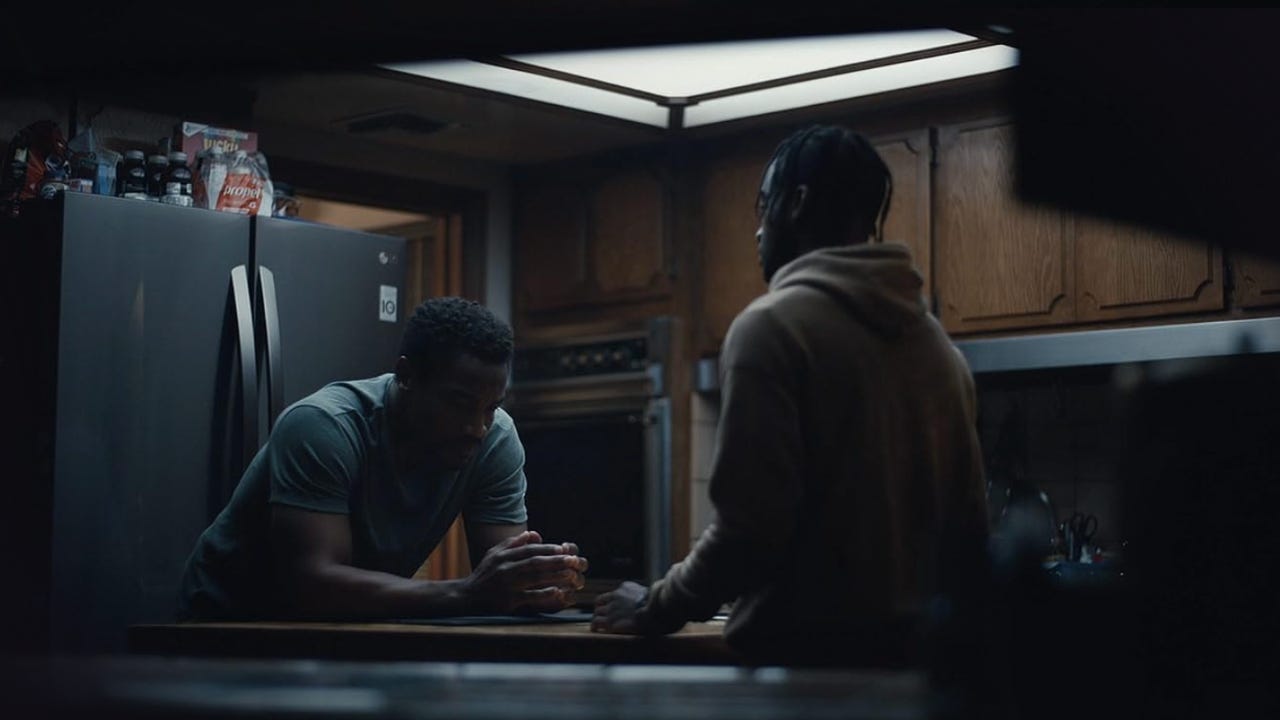
His father refuses to let doubt breathe. Instead of hearing his son, he pushes harder, as if pressure can replace presence.
Silence gets passed down.
That silence reshapes intimacy. McKay is drawn to Cassie’s confidence, yet once she is his, he polices it.
He wants her desired. He does not want her visible.
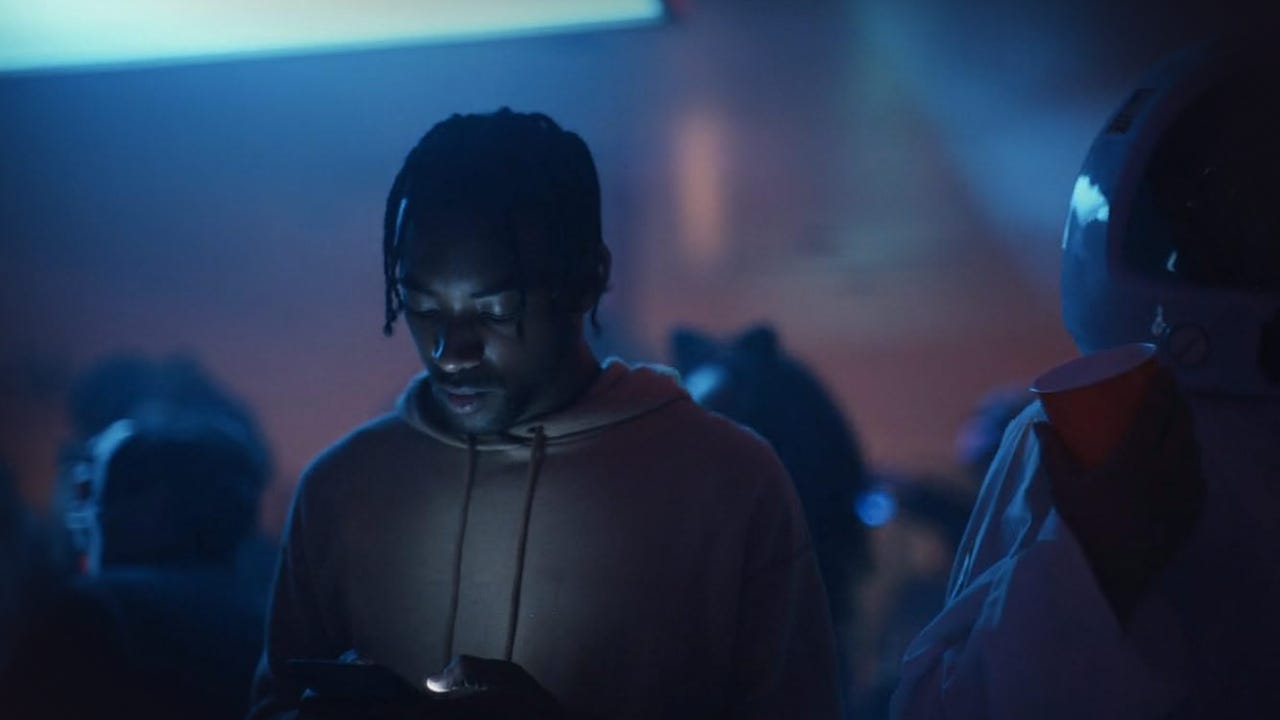
Insecurity shifts into control.
The tapes linger in his mind not because of betrayal, but because they disrupt his image of possession. Instead of confronting the discomfort, he internalizes it.
He expects honesty. He offers none.
Then the hazing fractures him.
The humiliation is not framed for spectacle. It is framed for vulnerability, and McKay loses control in front of the one person he wants to appear strong for.
He cries alone. Then he shuts it down.
Pain gets buried, not processed.
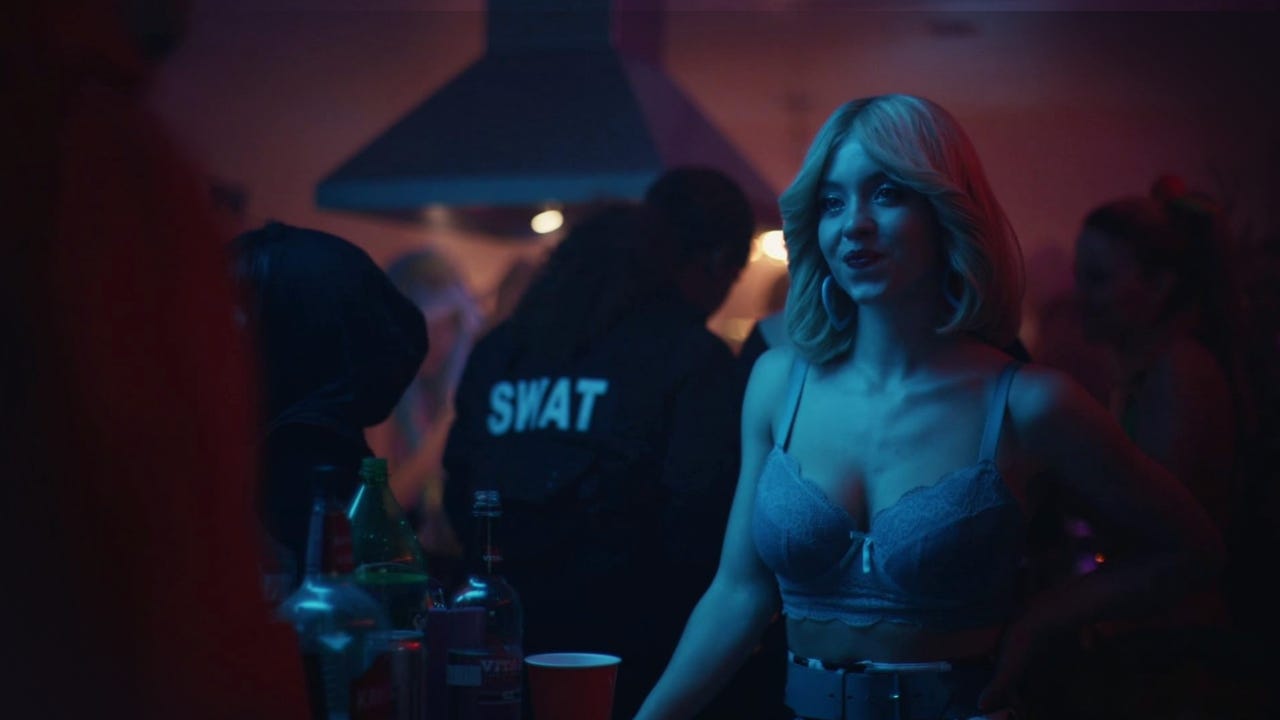
What follows with Cassie is not connection. It is performance, dominance as proof that nothing was taken from him.
Cassie absorbs the aggression quietly, and her silence mirrors his.
Two people in the same room. Two different kinds of hurt.
Cassie seeks validation elsewhere because communication never arrived at home. Daniel reduces her to sex when she refuses him, proving that desire without respect is just another form of control.
Cruelty finds the weakest point and presses.
When Cassie realizes she may be pregnant, the moment lands without theatrics. Her body becomes the consequence of everyone else’s confusion.

Kat’s arc echoes the same theme through a different lens. She claims power through attention and money, yet recoils when sincerity appears.
Armor feels safer than intimacy.
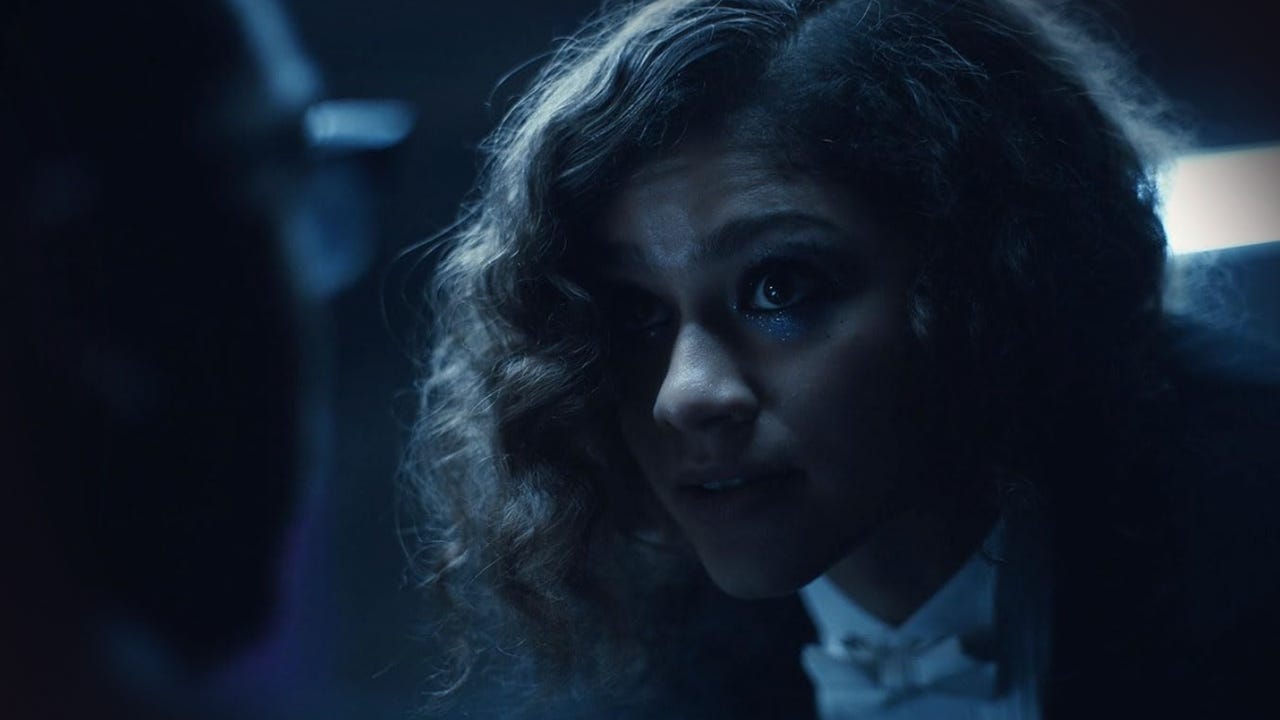
Rue moves through the episode sober but unsettled. She sees Jules drifting and senses danger without knowing the full truth.
She protects Gia fiercely, but she cannot control the chaos around her.
Care without control.
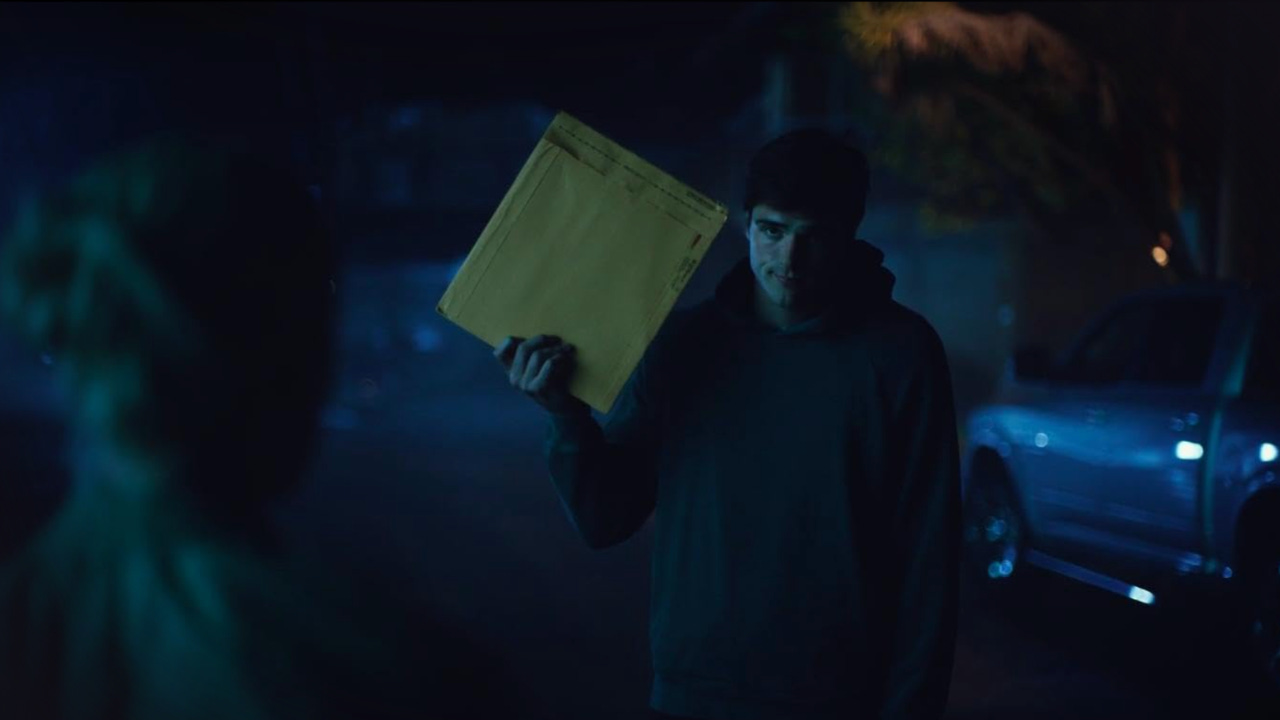
Nate operates on the opposite end of the spectrum. Where McKay internalizes shame, Nate weaponizes it, manipulating confessions and coercing silence.
Power becomes strategy.
The final exchange between Nate and Jules is small but loaded. A glance, a gesture, and Rue registers that something is wrong.
The silence speaks.
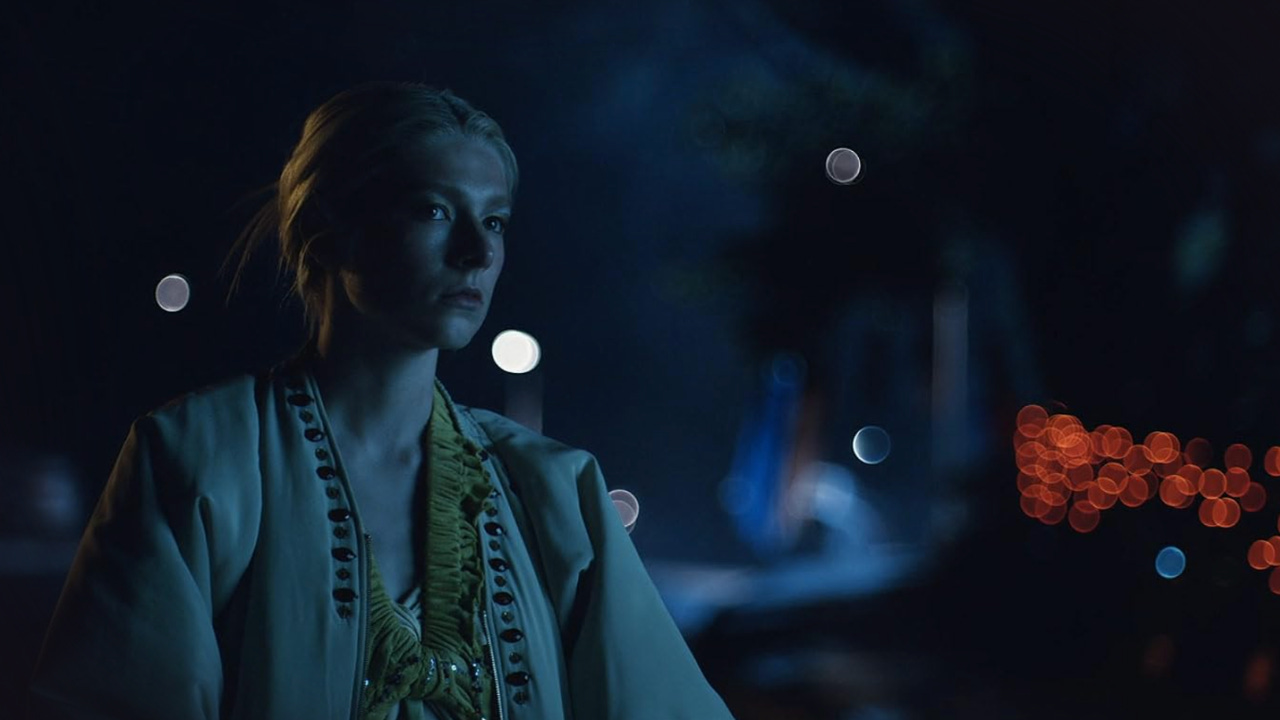
Episode 6 is about boys taught to swallow pain and girls forced to carry the aftermath. It shows how humiliation, insecurity, and control ripple outward into every relationship.
Verdict. Episode 6 works because it studies masculinity under pressure without romanticizing it. McKay’s fracture anchors the hour, but the episode expands the theme outward, revealing how silence becomes both survival tool and weapon.
The tension remains because no one says what hurts, and that absence drives everything forward.
If something in this stayed with you, feel free to show support through Buy Me a Coffee ☕️ Every cup goes toward the next piece I create. buymeacoffee.com/beyondcouturefilms